- No Mercy Medtech
- Posts
- January 2026: Class I recalls spike, Gore acquires, hospitals slow procurement
January 2026: Class I recalls spike, Gore acquires, hospitals slow procurement
Full breakdown

Lisa Voronkova
January 20, 2026 • Estimated Reading Time: 8 minutes
January is almost over, and here's what happened in medtech this month
FDA recalls: when manufacturing control fails
January started with a series of Class I recalls – the most serious type, indicating risk of death or serious injury.
Draeger recalled all Vapor 2000 and 3000 anesthesia vaporizers. The problem was that the supplier failed to meet component specifications – metal residues from soldering remained inside devices and can react with volatile fluorinated gases. If a patient inhales this, the consequences are serious: lung tissue damage, airway irritation, pulmonary edema. No injuries were reported at the time of recall, but FDA classified it as Class I due to potential danger. FDA announcement
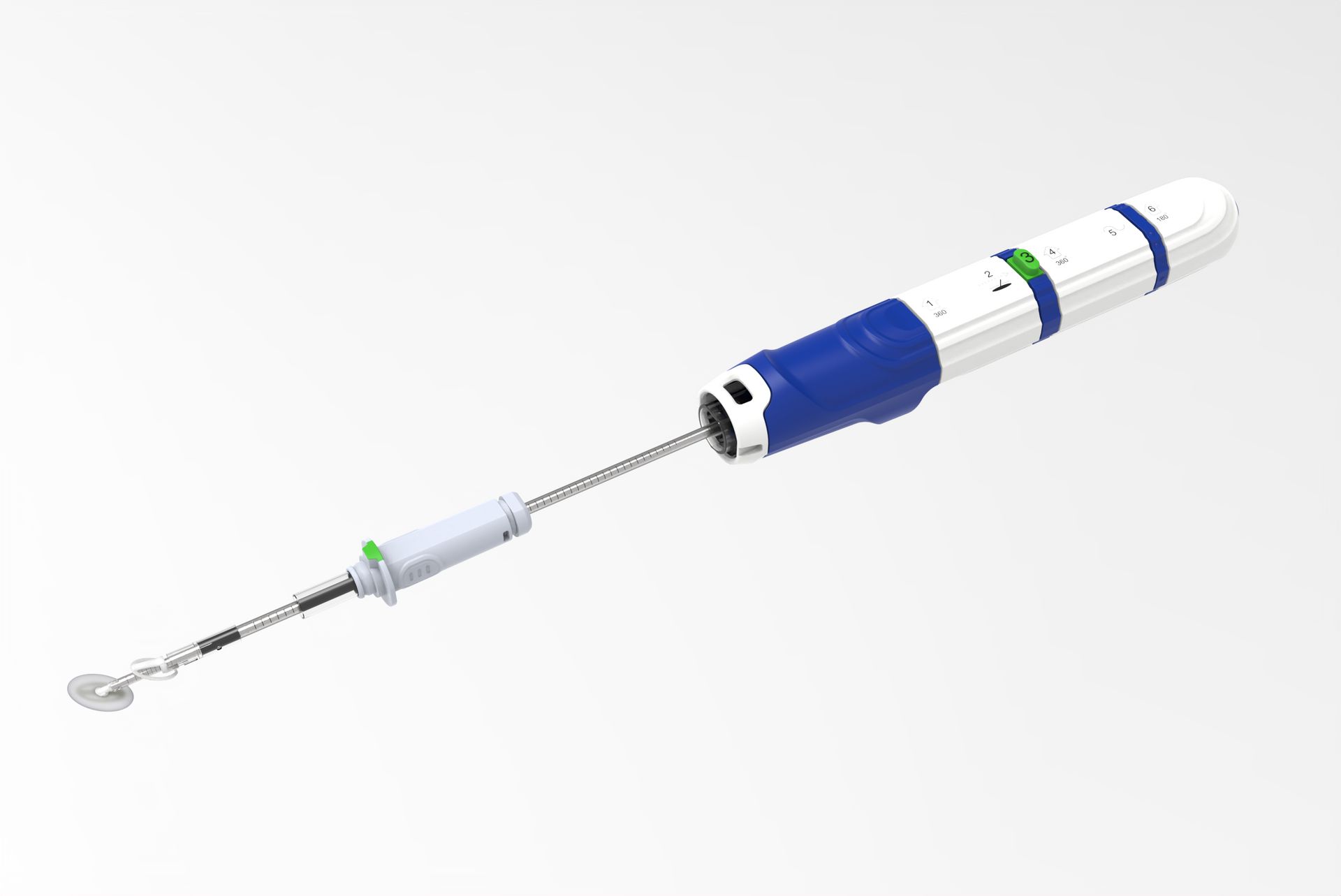
Olympus recalled all lots of ViziShot 2 FLEX bronchoscopy needles globally. Components detach or eject during procedures due to heat-shrink material degradation. One death already confirmed, plus cases where retained fragments required surgical extraction.
January also saw recalls of infusion pumps from Baxter and Fresenius Kabi, cardiac cannulas from Medtronic, catheter mounts from Draeger, endovascular grafts from Cook Medical, microbore extension sets from B. Braun. Full list here
The numbers show a systemic problem.
From 2020 to 2024 there were 3,934 voluntary medical device recalls – more than drug and biologic recalls combined.
Why?
99% of new medical devices from 1976 to 2020 went through 510(k) pathway without proving safety and effectiveness. It was enough to show "substantial equivalence" to an existing device.
44% of devices with Class I recalls were approved based on predicate devices that themselves were later recalled.
An ICIJ investigation analyzing FDA data found medical devices linked to 1.7 million injuries and 83,000 deaths from 2008-2017. FDA has forced device recalls only 4 times since 1990. Everything else – voluntary recalls from companies themselves.
M&A: Q1 Started Strong
Two major cardiovascular device deals happened in the first 10 days of January. After four deals in December 2025, Q1 2026 looks set to exceed previous quarters in volume.
Gore acquired a clinical-stage cardiovascular device company focused on material science innovation. The target company had previously raised around $200M in funding. Haemonetics bought Vivasure Medical as a tuck-in acquisition, strengthening its blood management position against Abbott and Terumo. Interestingly, Vivasure was already in Haemonetics' portfolio.
Valuations remain disciplined – quality HealthTech assets trade at mid-single-digit revenue multiples, with premiums for AI and data platforms. Buyers prioritize diagnostics, robotics, and cardiovascular tech. 2025 closed at $97.6B in M&A, 2026 forecasts are higher.
Strategic tuck-ins dominate, with Stryker, J&J, and Boston Scientific actively seeking targets.
By the way, about the development process
If you're interested in understanding how the process actually works from idea to market – I wrote Hardware Bible. From clinical need identification to post-market surveillance, all stages covered practically. How to avoid recalled predicate devices with 510(k), what FDA actually checks, where founders waste time and money, how hospitals make purchasing decisions.
If interested – on Amazon here

Hospital procurement: what's being bought in first month of 2026
Hospitals in Q1 2026 are extending evaluation periods due to budget constraints and regulatory demands. Now serious cost-benefit analysis and clinical evidence are needed to sell anything.
NHS Supply Chain announced Q1 framework launches: Infusion Pumps with tender launch in September 2026, Cardiac Diagnostics launching July 2026, Finance Solutions also in July.
Everything built around medical consumables, diagnostics, and equipment through cost improvement plans.
Procurement is moving toward value-based models with emphasis on integration, compliance, and ESG. Manufacturers must engage early and come with robust economic data. AI-driven remote monitoring is gaining strength, especially in Europe. Digital tools for decision-making – AI and predictive analytics – are now standard.
For medtech companies this means: align your pitch with these timelines and evidence requirements, or approval will take forever.
Reimbursement codes: what changed January 1st
Massive changes took effect January 1, 2026 in HCPCS Level II codes – these are codes hospitals and doctors use to get reimbursement from Medicare and insurance for using medical devices and procedures. 160 new codes, 101 deleted, around 300 modified.
What does this mean practically? Previously, if you had a new device, you could get stuck without a billing code – hospitals can't get paid for using your device, so they don't buy it. Now they added 19 new C-codes specifically for advanced implantable devices like integrated neurostimulators and echogenic conduction catheters. C9814, for example, is now for non-opioid anesthesia devices – this code didn't exist before.
A-codes refined for intermittent urinary catheters and surgical supplies – meaning more precise classification and more predictable reimbursement. G-codes added for intraoperative nerve cryoablation in pain management – the procedure existed but billing was complex, now there's a dedicated code.
CPT changes bundled TEVAR components (thoracic endovascular aortic repair) – previously catheter placement billing was separate, now it's in one bundle. Created distinct codes for thoracic branch endografts – this helps hospitals track costs more accurately and get proper reimbursement.
No grace period – if a code is discontinued, systems must be updated immediately or claims get rejected.
Manufacturing: nearshoring accelerates
Early 2026 shows accelerating nearshoring to Mexico and Costa Rica. USMCA benefits, supply chain resilience, proximity to US – it's all working.
Cretex Medical expanded in Costa Rica: acquired Atemisa Precisión for precision machining and opened a 65,000 sq. ft. facility in Cartago to boost CDMO capacity. Mexico's Bajío region, especially Guanajuato, is attracting medtech through clusters like Life Innovation & Technologies. Entrada Group helps US firms set up in Celaya for devices like prosthetics and pacemakers.
Costa Rica focuses on high-value implants, automation, and skilled labor for complex assemblies. Mexico emphasizes logistics, speed-to-market, and domestic sales potential.
For hardware scaling: Mexico if you need speed, Costa Rica if you need complex assemblies.
Leadership changes in January
STAAR Surgical CEO Stephen Farrell will step down by January 31, 2026, following a cooperation agreement with activist investor Broadwood Partners after shareholders rejected Alcon's $1.6B buyout. Broadwood secured board seats for Neal Bradsher, Richard LeBuhn, and Christopher Wang; the board expanded from 6 to 7, with Farrell and Chair Elizabeth Yeu departing the board (Farrell remains CEO until his exit date)
Funding: money available, deals quiet
Zero rounds over $50M in medtech for January 2026. Yet healthcare funds announced $4.5 billion in capital to deploy.
GHO Capital closed $2.9B for PE mid-market deals. Sofinnova Partners with $750M for early biotech/medtech. Medicxi with $540M for asset-centric investing. Olympus Innovation Ventures with $150M for GI, urology, and respiratory medtech. T1D Fund targeting $150M for diabetes treatments. Source
Money is there. Median rounds around $10M. VCs are either waiting for clarity or the bar for traction has risen significantly.
Approvals: two interesting moments
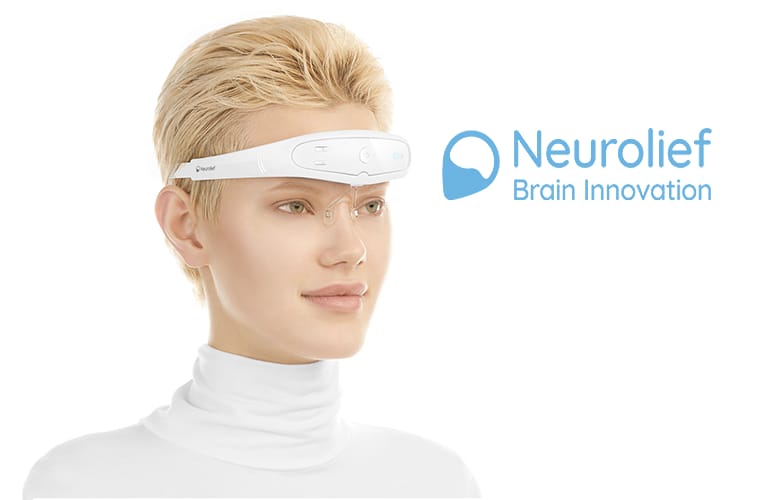
Neurolief received PMA approval January 12 for Proliv™Rx – the first at-home neuromodulation therapy for Major Depressive Disorder in adults with failed antidepressant treatment. External Combined Occipital and Trigeminal Afferent Stimulation (eCOT-AS), physician-directed. Interesting because it's a home-use mental health device, it's PMA pathway with real clinical data, and MDD with failed medication is a huge underserved market.
Boston Scientific received 510(k) clearance for Farapoint pulsed field ablation catheter for persistent AFib. PFA is finally becoming mainstream – technology that minimizes collateral damage compared to RF ablation.
What This All Means
January showed several important things.
System oversight remains passive – 99.9% of recalls are voluntary from companies. M&A momentum building, Gore and Haemonetics are active. Hospital procurement processes have lengthened, robust economic data needed early. Reimbursement codes got a massive update, affecting which devices hospitals can afford to buy. Nearshoring accelerating to Mexico and Costa Rica with real opportunities.
If you're building a device: second-source components are now critical, manufacturing validation matters more than many think, 510(k) predicate due diligence has become an investor question, hospital pitch timing must align with procurement frameworks, reimbursement strategy from day one.
Patients are waiting for better solutions.
The system is imperfect, but that doesn't mean we can't build reliable devices.
If you're building hardware and want my team to handle engineering while you focus on business - 👇👇👇👇👇
Lisa